Helping People Discover Their Best Options Through...

The Rebe Homes Team helps our clients by providing...

Information with clear interpretation,
Judgment rooted in experience,
Insight that protects,
Conscious guidance based on integrity,
Meaning behind every decision,
Inspiration that encourages,
Relationships with service.

Monday, January 4, 2016

Buying A Home? Do You Know The Difference Between Cost & Price?

Buying A Home? Do You Know The Difference Between Cost & Price? | Keeping Current Matters

As a seller, you will be most concerned about ‘short term price’ – where home values are headed over the next six months. As a buyer, you must be concerned not about price but instead about the ‘long term cost’ of the home.

The Mortgage Bankers Association (MBA), the National Association of Realtors, Fannie Mae and Freddie Mac all projected that mortgage interest rates will increase by about three-quarters of a percentage point over the next twelve months.

According to CoreLogic’s most recent Home Price Index Report, home prices will appreciate by 5.2% over the next 12 months.

What Does This Mean as a Buyer?


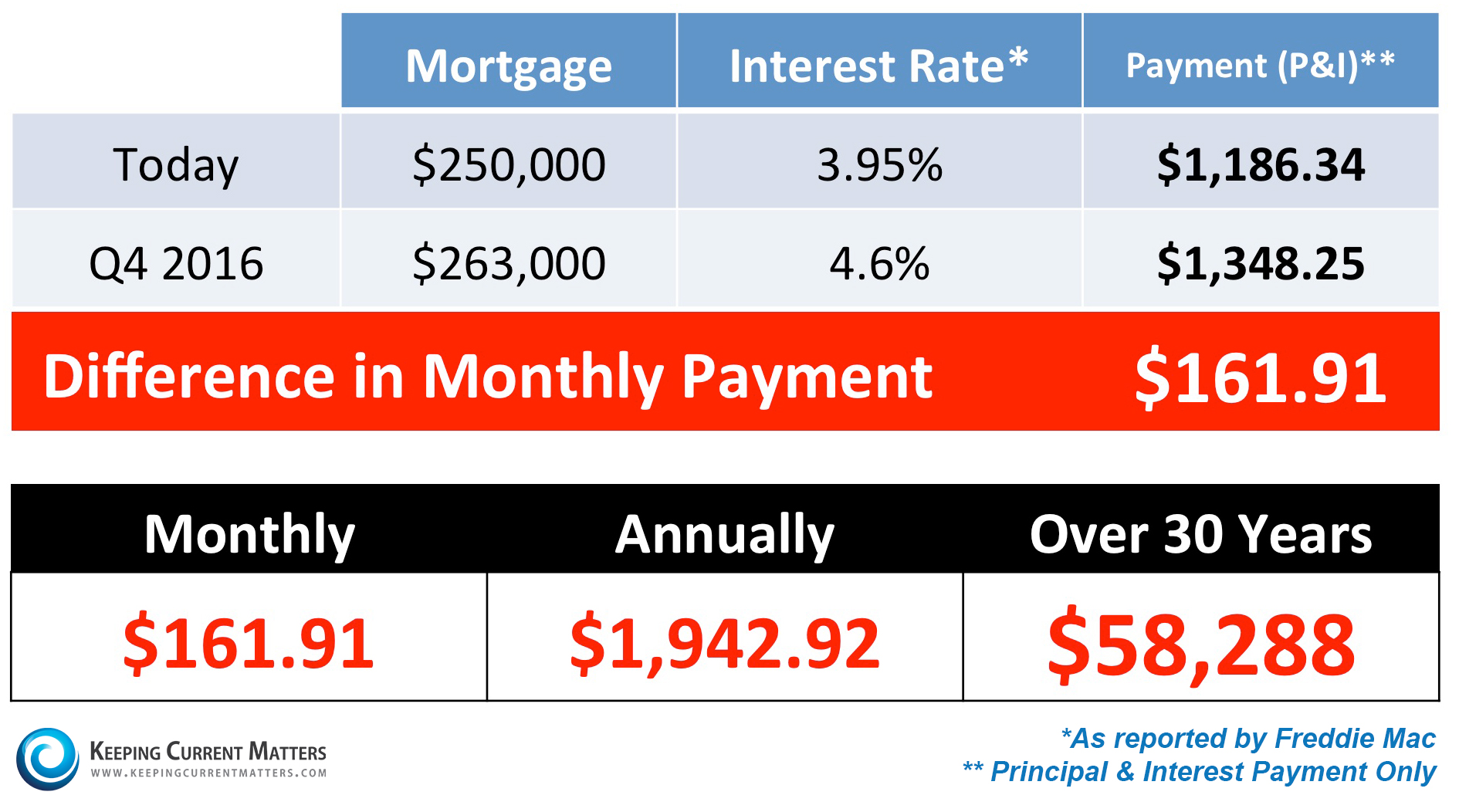
Here is a simple demonstration of what impact an interest rate increase would have on the mortgage payment of a home selling for approximately $250,000 today if home prices appreciate by the 5.2% predicted by CoreLogic over the next twelve months:

Cost of Waiting | Keeping Current Matters

Why You Will Need to Sell Your Home Twice

You Will Need to Sell Your Home Twice | Keeping Current Matters

A recent post on “The Home Story”, a site published by Fannie Mae, explained the difference between the price a seller may get for their home and the value an appraiser might assign the property.

The Sales Price

Of course, most sellers want to maximize the value they get for the house. However, the price they set might not be reflective of the other comparable homes in the neighborhood. As the article stated:
“People tend to view their homes emotionally, and that can become quickly apparent when they decide to sell.”

That doesn’t mean that the home won’t necessarily sell for that price.

A seller can set an asking price and actually have a buyer agree to that price. However, that value may not be necessarily in agreement with what most buyers are willing to pay. For example, one person can view a property, determine it is exactly what they are looking for and well worth the asking price, whereas another person could look at the same property and feel the asking price is too high.

Steven Corbin, Director of Valuation in Fannie Mae’s CPM Real Estate division gives an example:
“Someone may have driven by the property countless times, and they really want to live in that house. So in reality they may overbid for that property. This would be a situation where the actions of a specific buyer do not represent the actions of a typical buyer.”

The Appraised Value (or Market Value)

Fannie Mae explains what they look for when appraising the house:

“When a contract is established on a property, an appraised value is determined by a professional real estate appraiser. The appraiser works on the lender’s behalf to determine that value by taking many factors into consideration, including the neighborhood, the value of properties of similar size and construction, and even such things as the type of fixtures on the premises and layout of the floor plan.”

Corbin adds:

“From a lending perspective, a bank would want to know the probable price a typical buyer would offer for the property. That’s what an appraiser would set as the market value.”

The Challenge when Sales Price and Appraisal Value are Different

If the appraiser comes in with a value that is below the agreed upon sales price, the lending institution might not authorize the mortgage for the full amount a buyer would need to complete the transaction.
Quicken Loans actually releases a Home Price Perception Index (HPPI) that quantifies the difference between what sellers and appraisers believe regarding value. The HPPI represents the difference between appraisers’ and homeowners’ opinions of home values.

Currently, there is approximately a 2% difference between what homeowners believe their home to be worth and what appraisers value that same home. On a $300,000 sale that would be a $6,000 difference. That could be a challenge that might prevent the home sale proceeding to the closing table.

Quicken Loans Chief Economist Bob Walters recently commented on this issue:

“The more homeowners are in line with appraisers, the easier it will be to refinance their mortgage and easier for those looking to buy a home. If the two are aligned, it eliminates one of the top stumbling blocks in the mortgage process.”

Bottom Line

Every house on the market has to be sold twice; once to a prospective buyer and then to the bank (through the bank’s appraisal). In a housing market where supply is very low and demand is very high, home values increase rapidly. One major challenge in such a market is the bank appraisal. If prices are jumping, it is difficult for appraisers to find adequate comparable sales (similar houses in the neighborhood that closed recently) to defend the price when performing the appraisal for the bank.


With escalating prices, the second sale might be even more difficult than the first. That is why we suggest that you use an experienced real estate professional to help set your listing price.

Home Prices: Past, Present & Future

Home Prices: Past, Present and Future | Keeping Current Matters

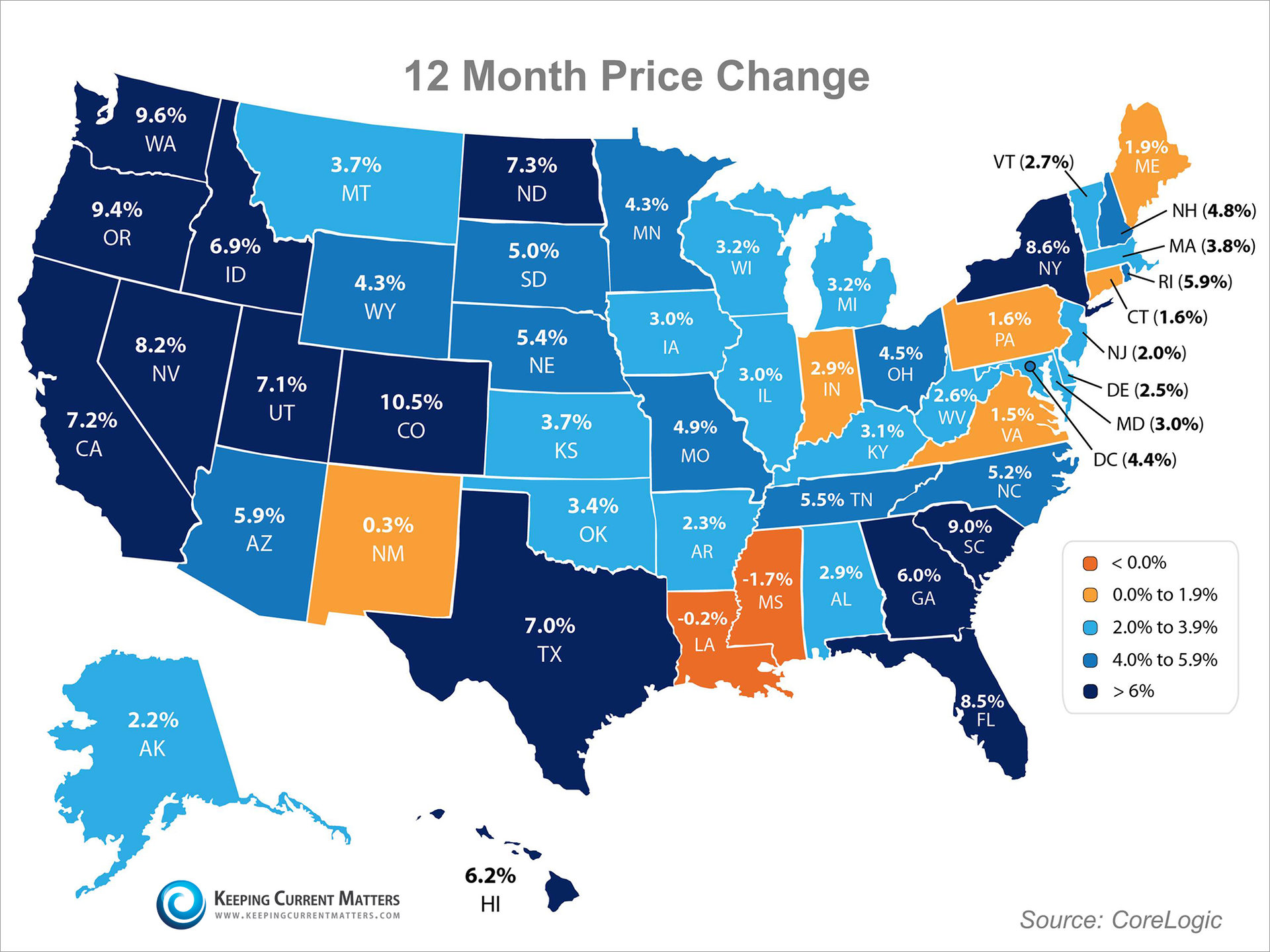
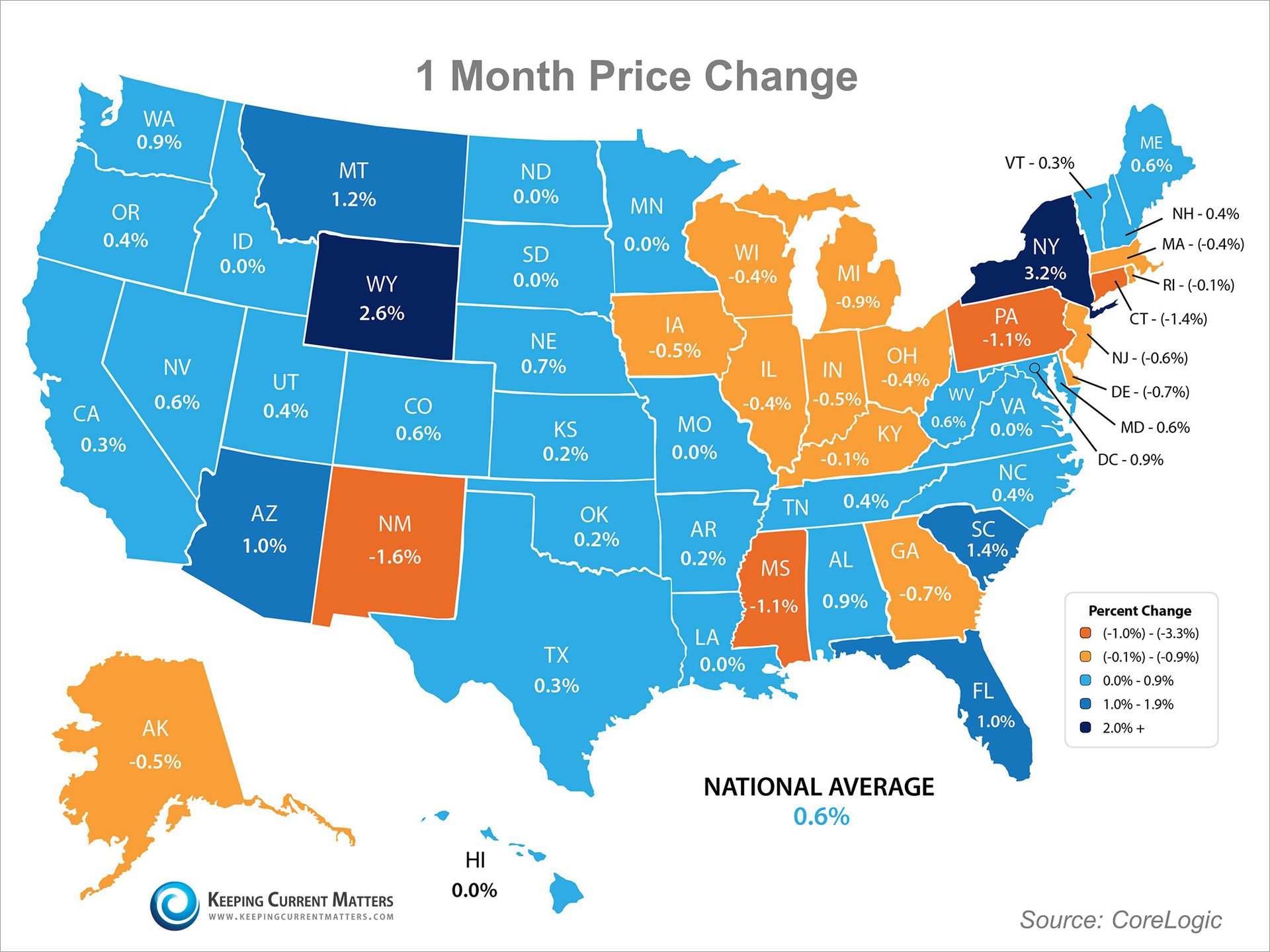
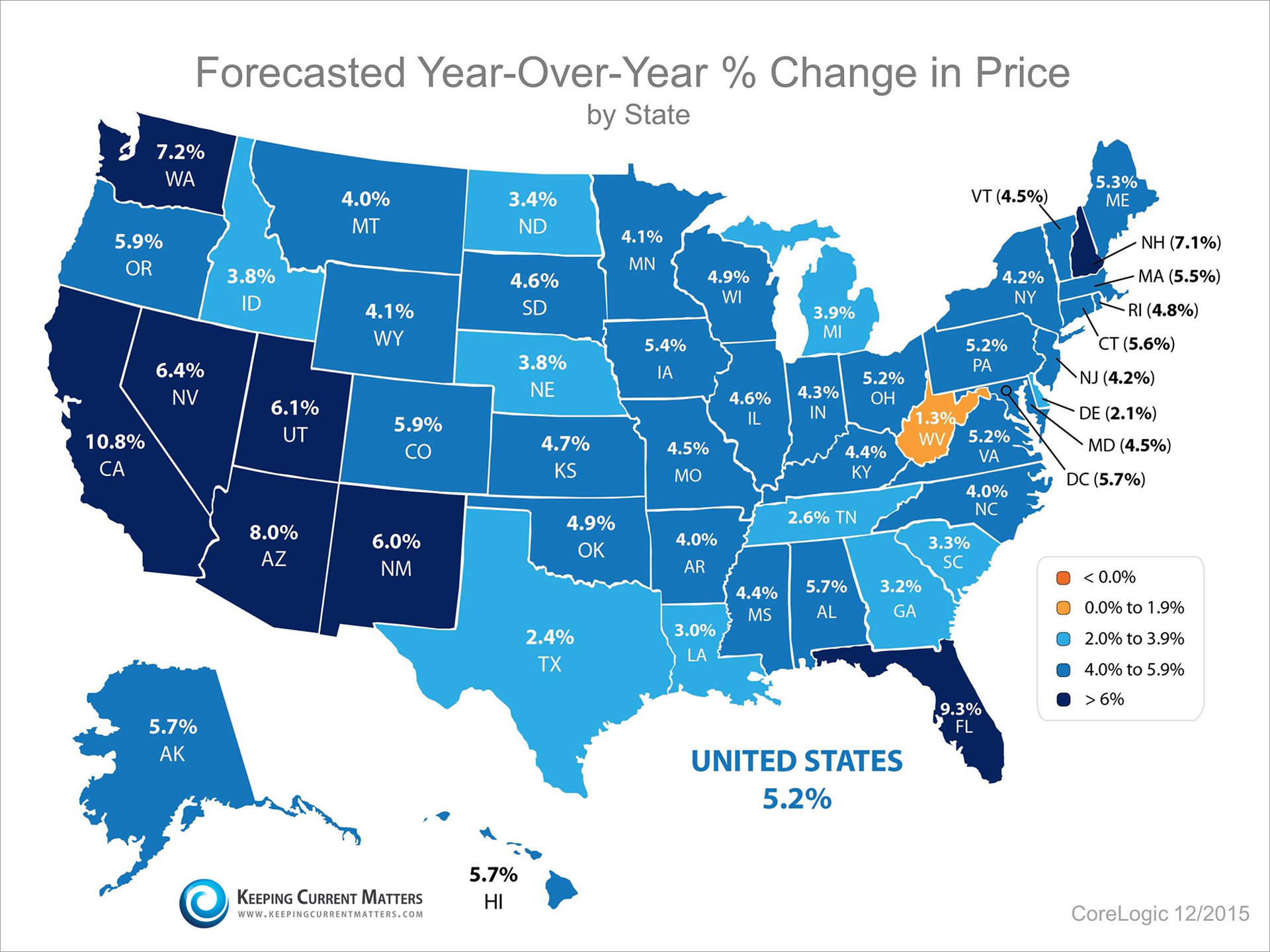
CoreLogic released their most current Home Price Index last week. In the report, they revealed home appreciation in three categories: percentage appreciation over the last year, over the last month and projected over the next twelve months.

Here are state maps for each category:

The Past – home appreciation over the last 12 months

Home Prices Past | Keeping Current Matters

The Present – home appreciation over the last month

Home Prices Present | Keeping Current Matters

The Future – home appreciation projected over the next 12 months

Home Prices Future | Keeping Current Matters

Bottom Line:

Homes across the country are appreciating at different rates. If you plan on relocating to another state and are waiting for your home to appreciate more, you need to know that the home you will buy in another state may be appreciating even faster.


Meet with a local Rebe Homes professional who can help you determine your next best steps.

What You Really Need To Qualify For A Mortgage

What You Really Need To Qualify For A Mortgage | Keeping Current Matters

A recent survey by Ipsos found that the American public is still somewhat confused about what is actually necessary to qualify for a home mortgage loan in today’s housing market. The study pointed out two major misconceptions that we want to address today.

1. Down Payment

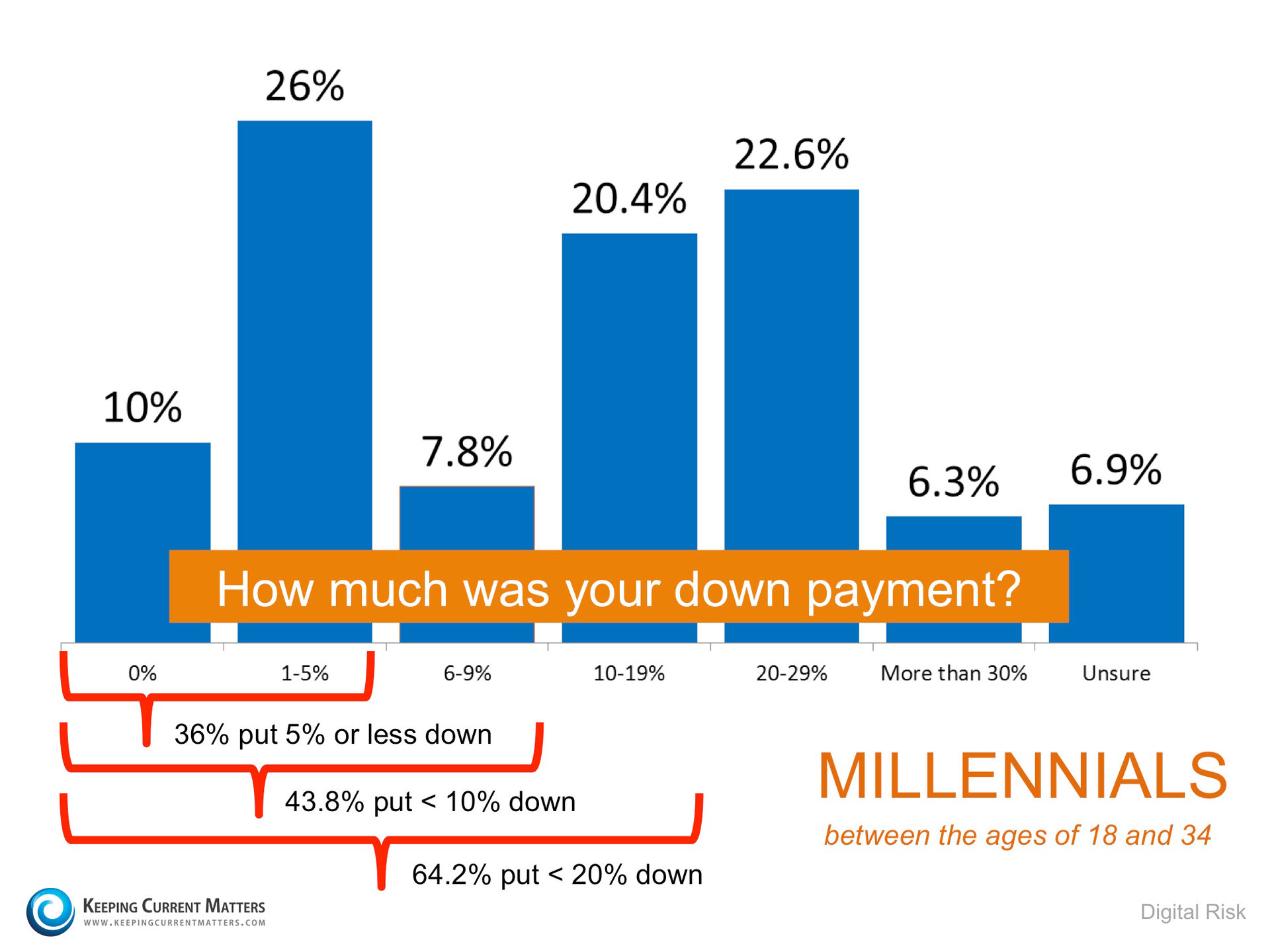
The survey revealed that consumers overestimate the down payment funds needed to qualify for a home loan. According to the report, 36% think a 20% down payment is always required. In actuality, there are many loans written with a down payment of 5% or less.

Below are the results of a Digital Risk survey done on Millennials who recently purchased a home.

Millennials & Down Payments | Keeping Current Matters

2. FICO Scores

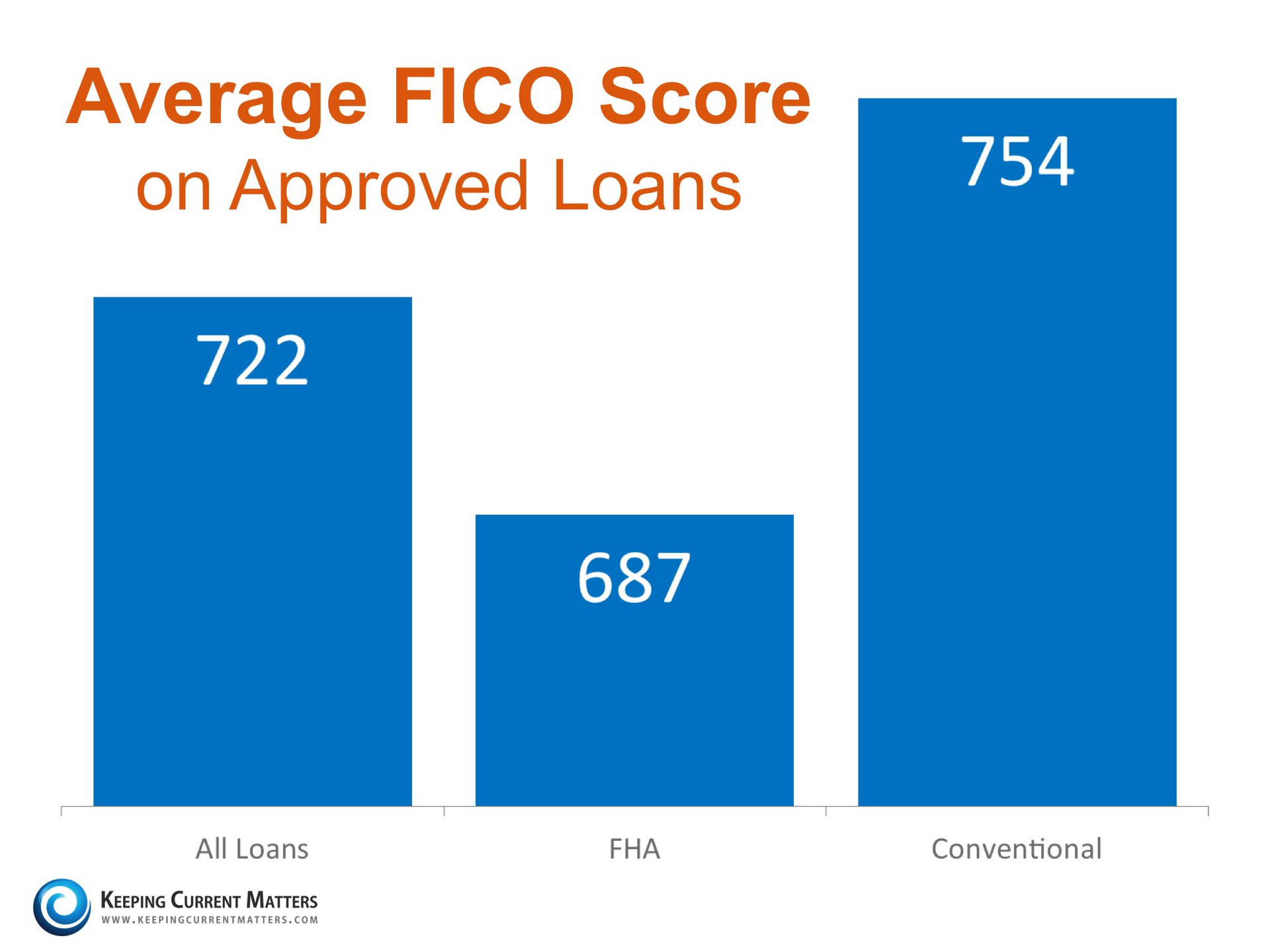
The Ipsos survey also reported that two-thirds of the respondents believe they need a very good credit score to buy a home, with 45 percent thinking a “good credit score” is over 780. In actuality, the average FICO scores of approved conventional and FHA mortgages are much lower.

Below are the numbers from the latest Ellie Mae report.

Average FICO Score | Keeping Current Matters

Bottom Line


If you are a prospective purchaser who is ‘ready’ and ‘willing’ to buy but not sure if you are also ‘able,’ sit down with someone who can help you understand your true options.

Do You Know The Difference Your Interest Rate Makes?

Do You Know The Difference Your Interest Rate Makes? [INFOGRAPHIC] | Keeping Current Matters

Some Highlights:
  • Interest rates have come a long way in the last 30 years.
  • The interest rate you secure directly impacts your monthly payment and the amount of house that you can afford.
  • Experts predict that rates will increase by 3/4 a percent over the next 12 months.
  • Secure a low rate now to get the most house for your money.

Prices & Mortgage Rates Going Up in 2016

Prices and Mortgage Rates Going Up in 2016 | Keeping Current Matters

The monthly mortgage payment on a home is determined by two elements: the price of the house and the interest rate you pay on your mortgage. Recently released reports are revealing that the experts expect both elements to increase in 2016.

HOME PRICES

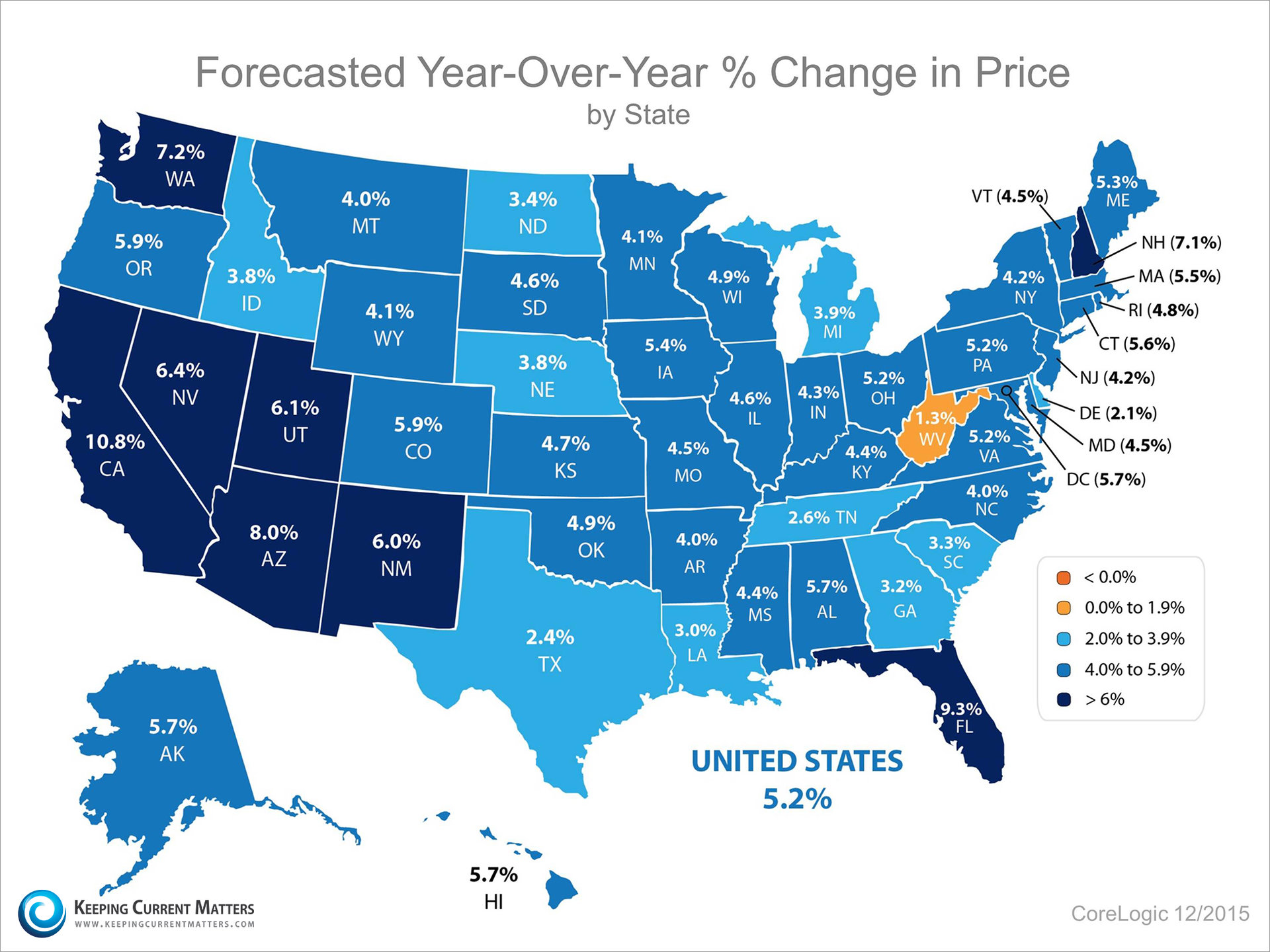
CoreLogic has projected a nationwide 5.2% home value appreciation for the next twelve months. 
Here is their breakdown by state:

Pricing Forecast | Keeping Current Matters

MORTGAGE INTEREST RATES

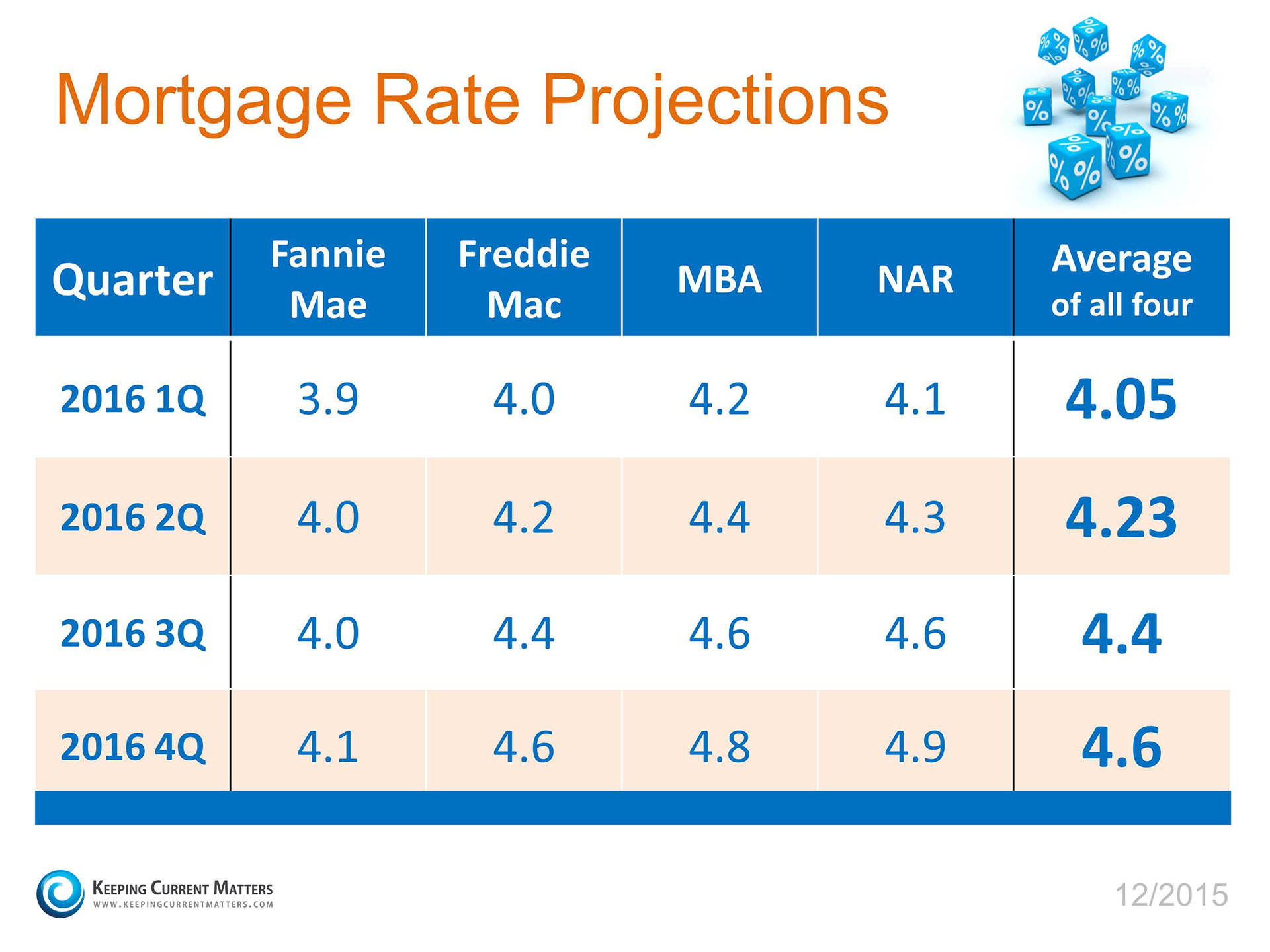
All four of the entities that provide projections on mortgage interest rates agree: they’re going up in 2016. Here are the predictions over the next four quarters:

Interest Rates | Keeping Current Matters

Bottom Line


With both home values and interest rates projected to increase over the next twelve months, buying (or moving-up), sooner rather than later, makes sense.

Here’s To A Wonderful 2016!

Happy New Year! | Keeping Current Matters

We hope 2016 is a great year for you both personally & professionally.